Career profile · Trades
Hairdresser
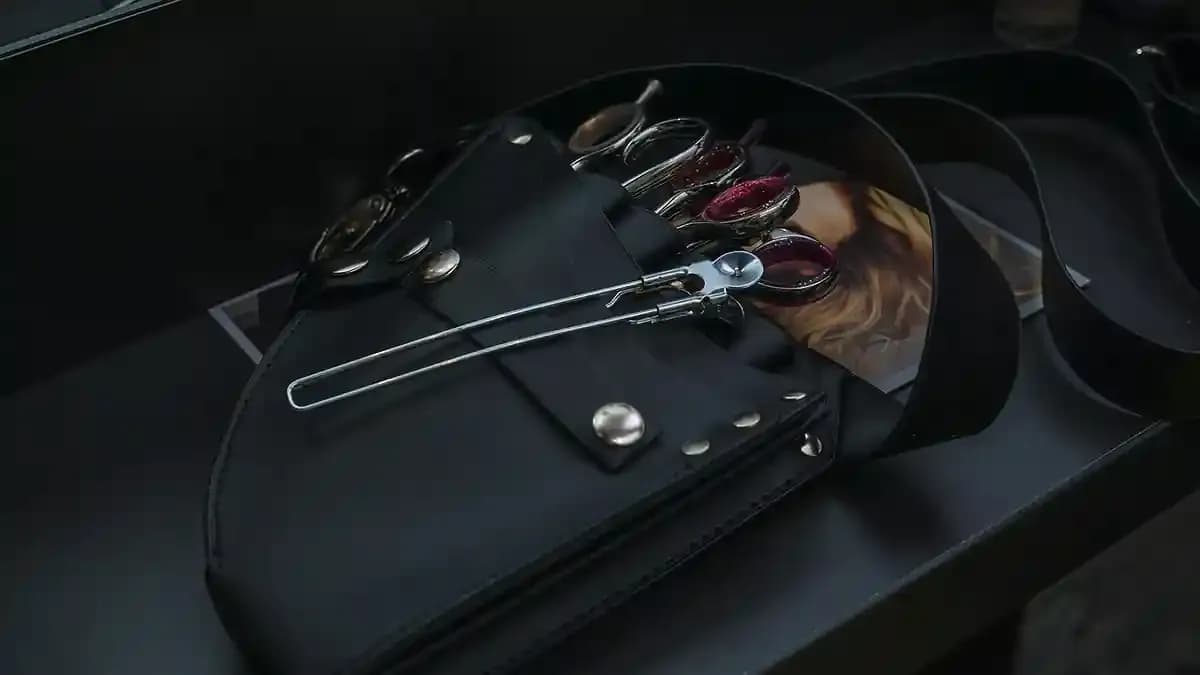
Career summary
A hairdresser cuts, colours, styles and treats people's hair. In South Africa most hairdressers work in a salon, though some rent their own chair, work from home, or run their own salon once they are established. It is a hands-on, people-facing job where every day is different, built around client bookings.
There is no law stopping anyone from working as a hairdresser in South Africa without a qualification, but most people learn the trade through a three-year hairdressing course at a TVET college, combined with real salon experience. At the end, you can work towards a formal assessment or trade test to become a recognised, qualified hairdresser.
The job is physically tiring — you are on your feet most of the day, working with chemicals that can irritate your skin or lungs, and pay is not guaranteed like a fixed monthly salary; it depends on how many clients you build up. But it also means real creative freedom, close relationships with regular clients, and a skill you can take anywhere.
A Day in the Life
A hairdresser's day is built around back-to-back client bookings, usually six days a week with Saturdays the busiest.
Prep and checking the day's bookings — The day starts with checking the appointment book, setting up styling stations, and getting equipment and products ready before the first client arrives.
Client after client — Cutting, colouring, straightening, treatments and blow-drying fill most of the day, each client needing a different look and a different conversation.
Standing and repetitive movement — Much of the day is spent on your feet, bent over a basin or working close to a client for long stretches at a time.
Handling chemicals safely — Dyes, relaxers and other treatments are mixed and applied throughout the day, which means constant care with gloves, ventilation and skin contact.
Quiet patches and rushes — Trade can swing hard through the month — quieter in the middle, much busier around payday when more clients can afford to come in.
Closing up — The day ends with cleaning stations, sterilising tools, and getting ready for tomorrow's bookings — often into the early evening.
Choose this career if…
- You are fine on your feet all day
- You genuinely like people
- You are steady with your hands
- You are easy to work alongside
- You explain things well
- You are fine working nights, weekends and public holidays
- You cope well when the plan changes
Qualification
- 3years
Occupational Certificate: Hairdresser
The main national route. A 3-year TVET college and salon-based programme, NSFAS-funded. Not legally required to work as a hairdresser in SA.
SAQA ID 102497 · NQF 4 · 540 credits
CATHSSETA is not the right SETA for this career
Hairdressing sits under Services SETA, not CATHSSETA (which covers tourism, hospitality and sport) — useful to know if you're looking for funding or accredited training providers.
Check this qualification is still open before enrolling
SAQA's own record shows this qualification's registration end date (30 December 2025) has already passed, though new learners can still enrol until 30 December 2026. Check directly with a TVET college or SAQA closer to the time, in case it has been renewed or replaced.
Salary
Real income depends on how you're employed, not just experience
Whether you're on a salon wage, renting a chair, or running your own salon changes what you actually take home far more than years of experience does. We could not confirm this year's exact salon wage scale from the industry bargaining council.
Labour Guide — summary of the Department of Employment and Labour's National Minimum Wage rate (R30.23/hour from 1 March 2026), as at March 2026 — basic salary before allowances.
Matric Requirements
Pass type you need
- Occupational Certificate: Hairdresser: Matric not required
Best School Subjects
Strongly recommended
- English First Additional Language · Client consultations, product instructions and safety labels are almost all in English.
Also useful
- Mathematics · Helps with mixing product ratios and pricing, though not a confirmed formal entry requirement.
Practical Requirements
Work-integrated learningWork-integrated learning
Becoming formally certified as a qualified, trade-tested hairdresser. Working as a hairdresser day-to-day does not legally require this — hairdressing is not a regulated occupation in South Africa. Most learners combine classroom training at a TVET college with salon experience — at least two days a week in an approved salon. NSFAS covers tuition and equipment. Experienced but self-taught hairdressers can instead work towards a trade test through Recognition of Prior Learning, coordinated by Services SETA. Either path leads to becoming a certified, trade-tested hairdresser.
Chemical exposure is a real health consideration
A South African study of salon workers found high rates of skin, breathing and eye irritation linked to hair chemicals. Gloves, ventilation and proper training in handling products matter.
Career Ladder
- Trainee / Apprentice · Studying towards the Occupational Certificate: Hairdresser; no formal qualification yet
- Junior / Qualified Stylist · Occupational Certificate: Hairdresser (SAQA 102497) or equivalent trade test · NQF 4
- Senior Stylist · Experience plus an established client base
- Salon Manager · Experience plus salon operations responsibility
- Salon Owner / Self-Employed Stylist · Experience, usually years of building a client base
- Educator / Brand Ambassador · Significant experience plus recognition from a product brand or training institute
We work hard to keep this information accurate, but details can change — always verify before making a career decision. Tell us something is out of date.

